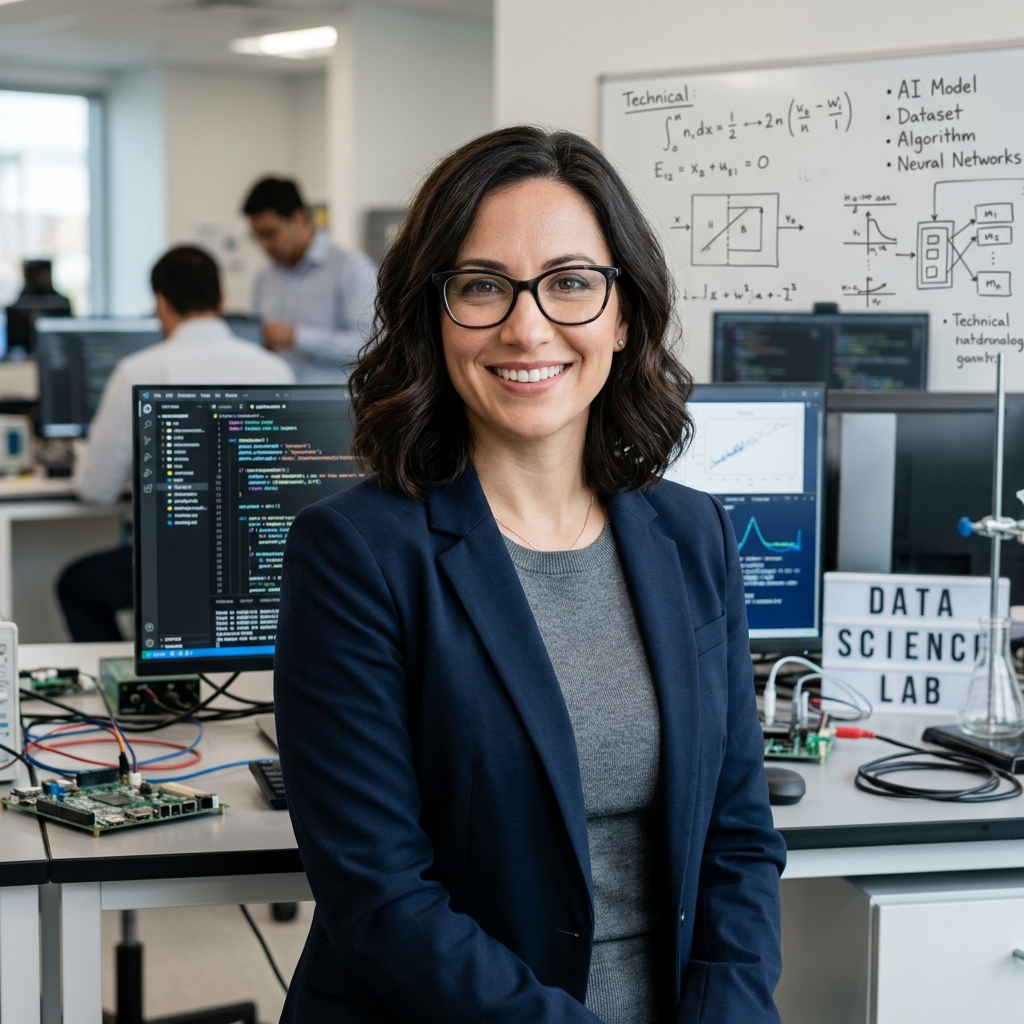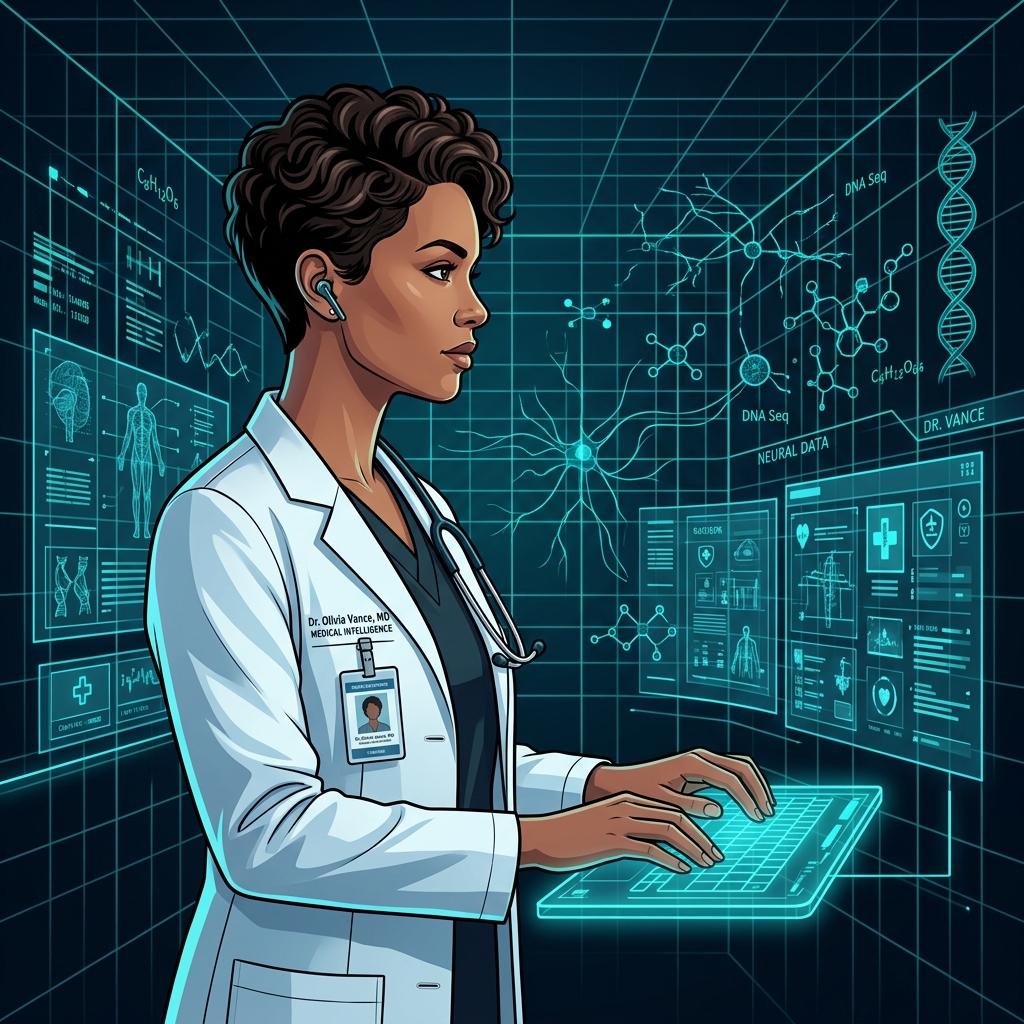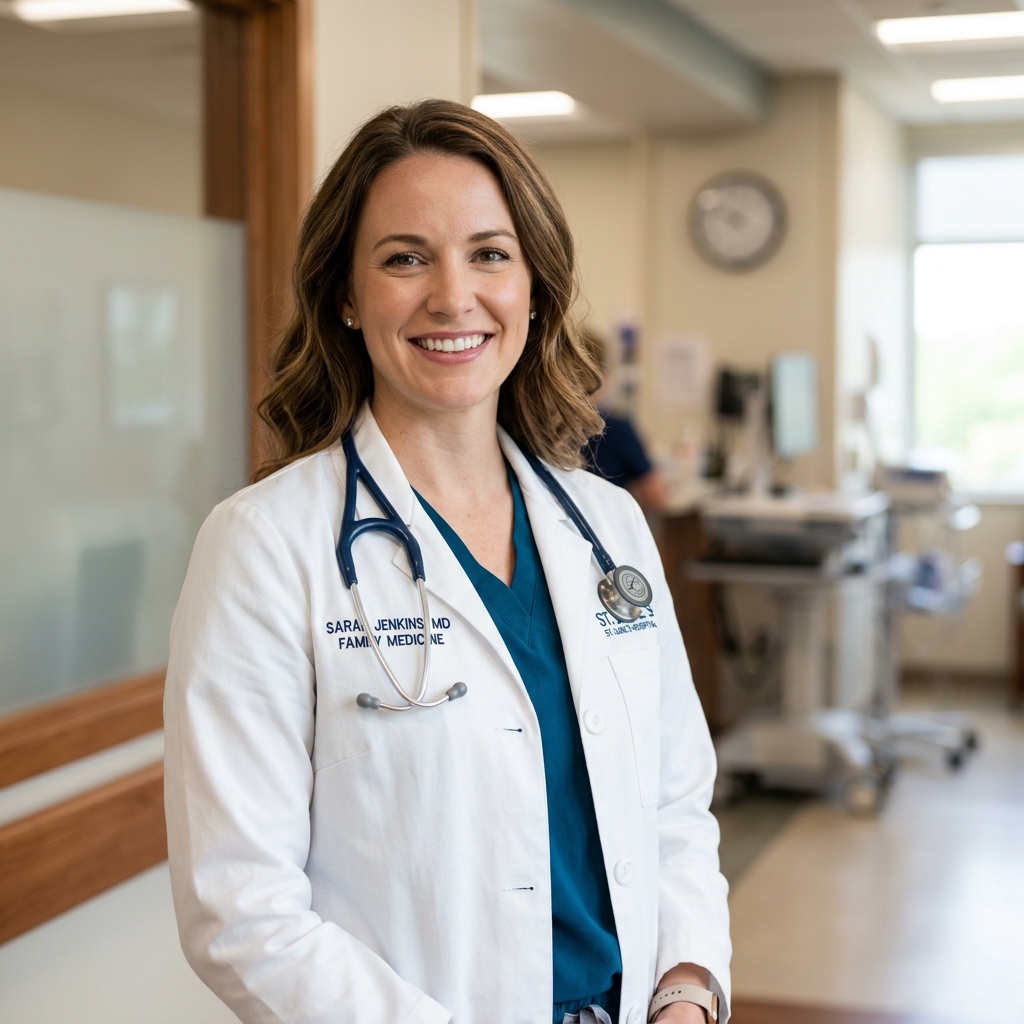
Veltneon builds local GPU-accelerated radiology pipelines that parse X-rays and detect abnormalities instantly.
"During my emergency residency, I saw patients waiting hours for simple X-ray interpretations, while clinicians typed reports under intense time pressures. Veltneon was founded on June 25, 2025 to solve this software friction. We construct local GPU pipelines that deliver instant diagnostic clarity directly to PACS queues, giving clinicians their time back and protecting patient security."
We are currently in a private beta phase, validating model accuracy, PACS routers, and Epic/Cerner EHR APIs with initial pilot networks, working toward our public launch on September 16, 2026.
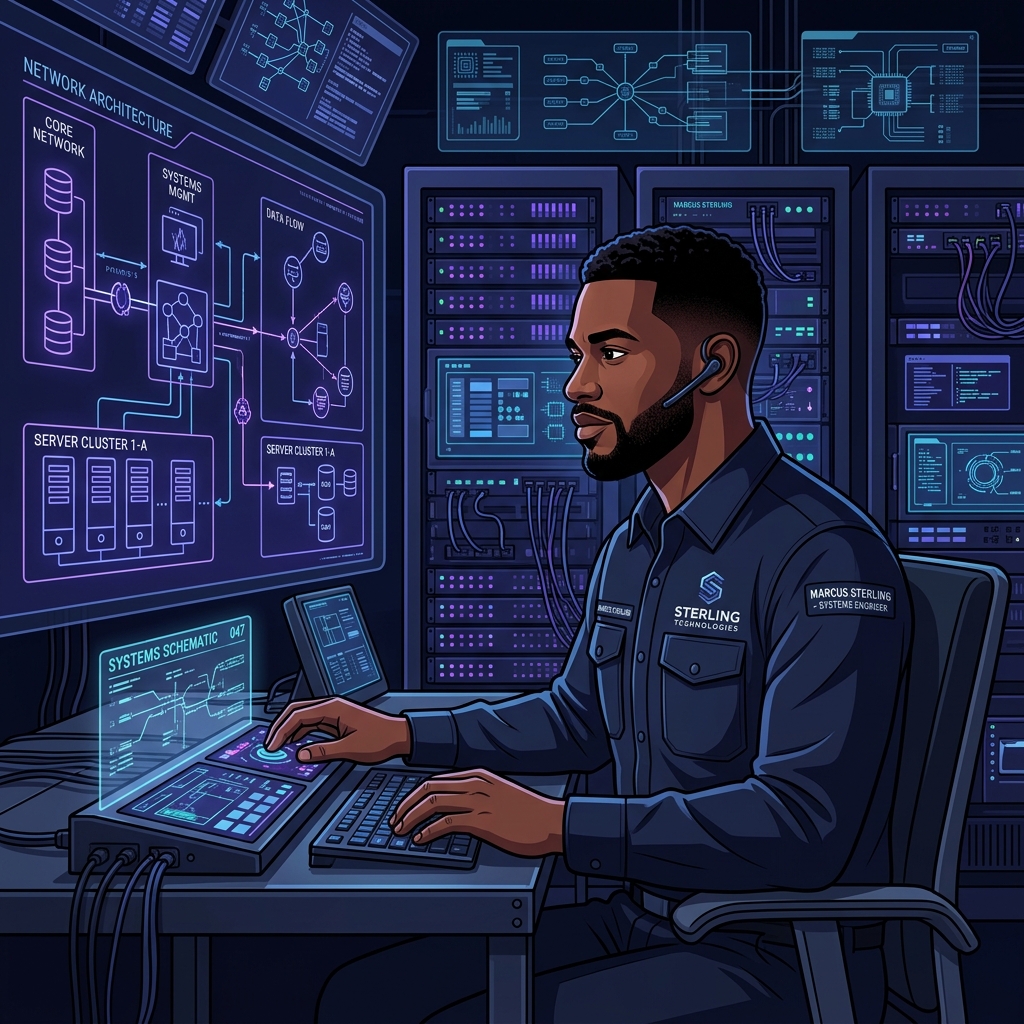
"Accelerate better patient outcomes by giving clinicians and health systems AI tools that surface insight from complex medical data faster and more accurately."
"A future where every clinical decision is supported by AI that is safe, explainable, and seamlessly integrated into care workflows — without adding burden to already-stretched clinicians."
Veltneon targets regional healthcare corridors, community radiology networks, and clinical imaging hubs experiencing reading backlog spikes.
We serve emergency medicine physicians, orthopedic clinics, and trauma ward directors who require instant skeletal and chest pathology screenings to prioritize queue workloads.
Standard clinical software depends on public cloud transfers. We run convolutional networks locally on dedicated **NVIDIA H100 GPUs**.
Our deep partnership with NVIDIA accelerates radiology workflows and sets the foundation for secure clinical federations.
Currently, Veltneon runs models natively on local H100 GPU hardware nodes. We compile workflows via CUDA 12.4, cuDNN deep learning libraries, and TensorRT serializers to achieve sub-300ms inference times. Containerization inside NVIDIA NIM ensures microservice security inside client subnets.
In the future, we will utilize NVIDIA federated learning paradigms to train and tune radiology weights. This will allow models to update parameters across collaborating clinical networks locally, keeping sensitive patient DICOM images completely isolated inside their hospital corridors.
Combining expertise in trauma medicine, computer vision engineering, and clinical network security.
Co-Founder & CEO
Board-certified emergency physician directing clinical validation and BAA compliance.
Co-Founder & CTO
AI hardware specialist managing CUDA pipelines and dedicated H100 local arrays.
Clinical Validation Lead
Former chief radiologist coordinating reader testing panels and model validation benchmarks.
Lead DL Researcher
Developing convolutional neural networks optimized for high-resolution DICOM arrays.
PACS Integration Architect
Configuring local PACS storage routers and DICOM metadata scrub filters.
Senior EHR Developer
Developing write-back connectors to Epic App Orchard and Cerner sandboxes.
Director of compliance
Auditing client BAA setups, access controls, and HIPAA security profiles.
Lead Front-End Engineer
Refining the Auravita dashboard panel layout to match physician workspaces.
Clinical Coordinator
Coordinating beta pipeline updates and diagnostic feedback loops with clinics.
Our long-term operational timeline details product upgrades and clinical validations up to 2030.
Founded Veltneon Inc. in Chicago. Initialized development of our DICOM router de-identification gateway and compiled our core chest radiograph segmentation networks. This established our zero-knowledge local container pipeline.
Completing private beta trials across three clinic partners to launch ChestScan and FractureDetect to health networks. Releasing clinical validation datasets showing 96.4% diagnostic sensitivity. Preparing the local H100 GPU installer.
Deploying WorklistPriority in emergency room trials to test automated triage alert priority routing. Filing for FDA Class II diagnostic guidance clearances for acute X-ray segmentations. Finalizing integration with regional PACS directories.
Integrating EHR-Bridge write-backs inside Epic/Cerner workflows for direct FHIR record updates. Launching CohortAnalytics to help administrators track institutional diagnostic workloads. Establishing federated learning for on-site updates.